|

“Residential vs. Commercial Plumbing: What’s the Difference?”

While both residential and commercial plumbing systems serve the same basic purpose—delivering clean water and removing waste—they differ greatly in size, complexity, and usage demands. Understanding these differences is essential when hiring a plumber or planning plumbing work.

Residential plumbing

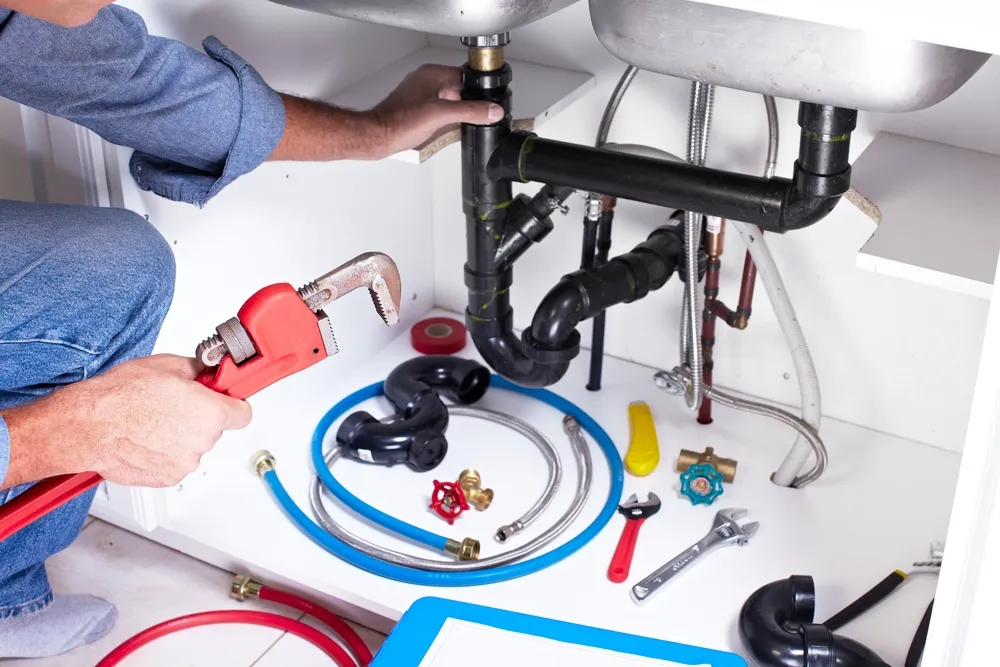
Involves systems found in homes, apartments, and small living spaces. These setups are generally simpler, with fewer pipes, fixtures, and drainage systems. Residential plumbers typically handle tasks such as fixing leaks, unclogging drains, installing toilets, or repairing water heaters. Since the systems serve fewer people, the wear and tear is usually less intense, and solutions are often more straightforward.

Commercial plumbing

on the other hand, deals with larger, more complex systems found in office buildings, restaurants, shopping centers, and industrial facilities. These systems must support high usage and include features like multiple restrooms, large-scale water heaters, and industrial-grade piping. Commercial plumbers need to understand advanced layouts, heavy-duty fixtures, and strict building codes. They must also work with systems that often operate continuously and cannot afford long downtimes, making speed and precision critical.

service-img
  • Residential plumbers handle tasks like leak repairs, drain unclogging, and fixture installation.
  • Residential plumbing serves homes, apartments, and small living spaces.
  • Residential systems are simpler with fewer pipes and fixtures.
  • Commercial systems are larger, more complex, and built for high usage.

Similar Posts

Leave a Reply

Your email address will not be published. Required fields are marked *